Project
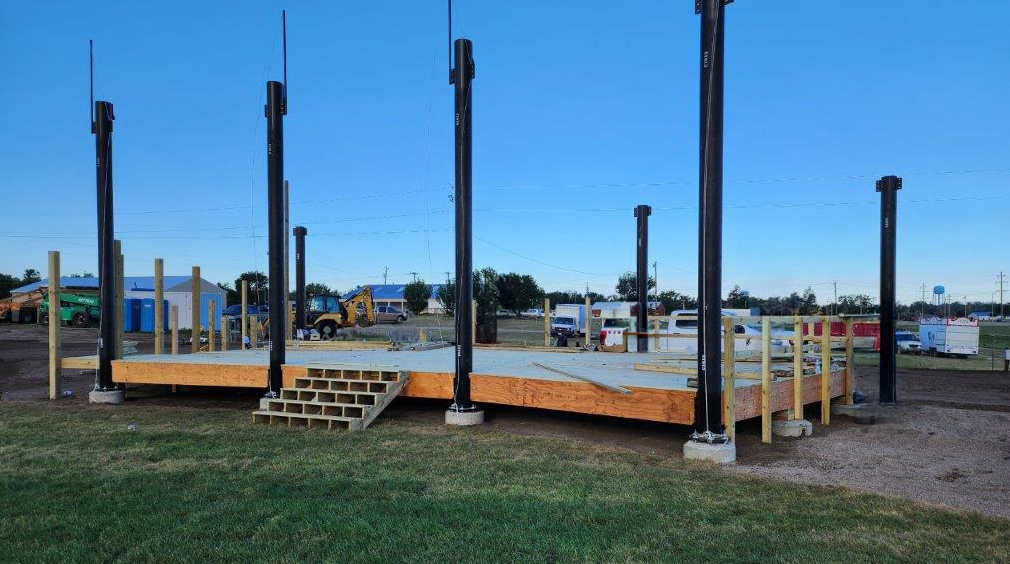
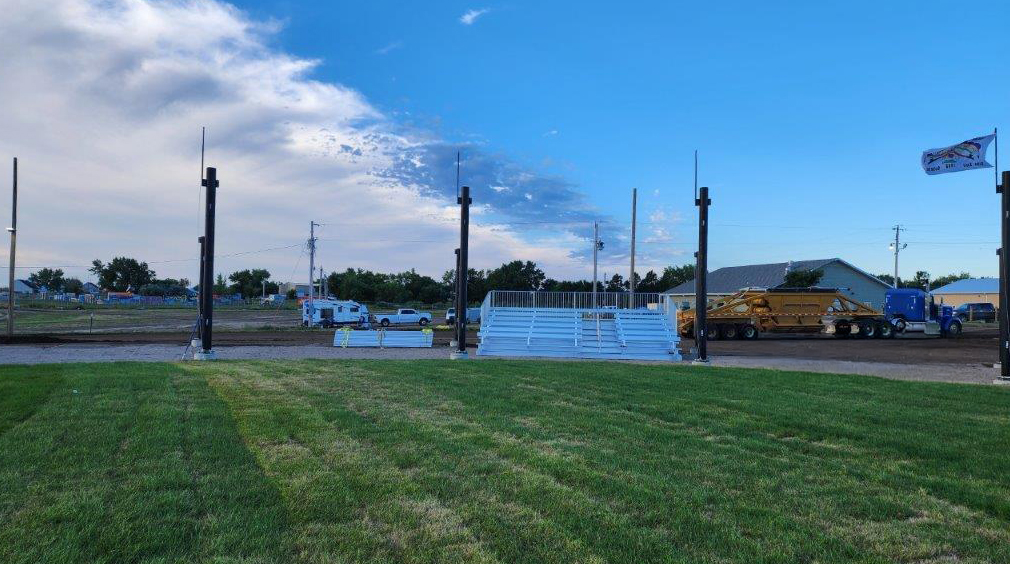
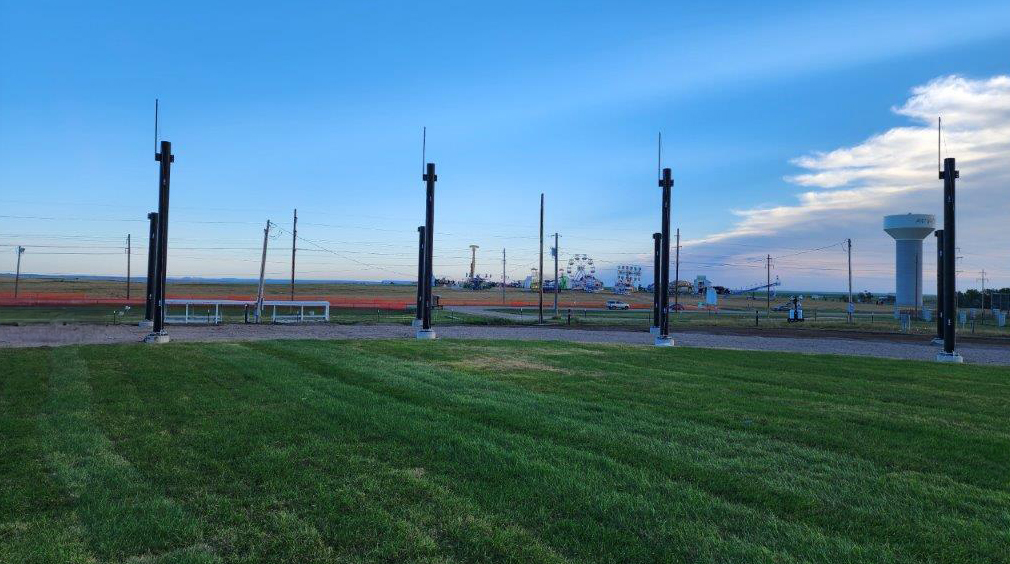
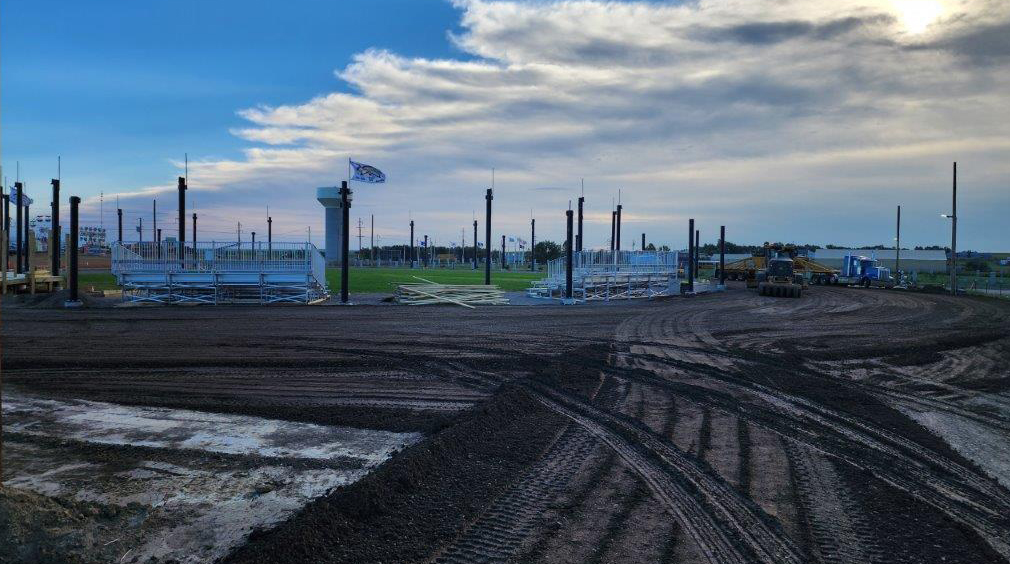
KLJ partnered with an architectural firm to design and support the construction of a new Pow Wow canopy and arena in Eagle Butte for the Cheyenne River Sioux Tribe (CRST). The project involved replacing the outdated wooden bleachers and canopy with a modern steel structure, developing a large dignitary stage, and incorporating comprehensive site improvements to support the community’s cultural gatherings. The initiative was centered on enhancing comfort, accessibility, and functionality for performers, elders, and attendees.
Solution
KLJ provided integrated design and engineering services, working collaboratively with the architectural team to develop a bid-ready plan that addressed the Tribe’s priorities. The design featured indoor spaces for announcers and performers, covered seating for spectators, designated elder areas with shelter and Americans with Disabilities Act (ADA) access, public restrooms, and vendor areas with full utility hookups. Recognizing budget constraints, KLJ incorporated value-engineering strategies by including bid alternates to allow cost flexibility while still meeting project goals.
Following a failed bid negotiation process, KLJ pivoted quickly to assist the Tribe in sole-selecting a contractor and redesigning the arena to focus on a simplified canopy and dignitary deck. KLJ supported the redesign, coordinated directly with the contractor and material suppliers to navigate steel lead times, and worked to accelerate foundational work concurrent with final design adjustments. Additionally, KLJ provided construction-phase services including material certification verification and specification compliance for steel fabrication. While the revised project was delayed due to unforeseen steel delays and weather conditions, KLJ’s flexibility and coordination helped keep momentum toward future completion.
Results
Despite setbacks in schedule, KLJ delivered a cost-conscious, restructured arena plan that preserved essential features and provided long-term value for the CRST community. Our proactive collaboration, supplier coordination, and rapid redesign ensured the project remained feasible and aligned with the Tribe’s cultural and logistical needs. The project will be constructed by Labor Day 2025.